
Adam here!

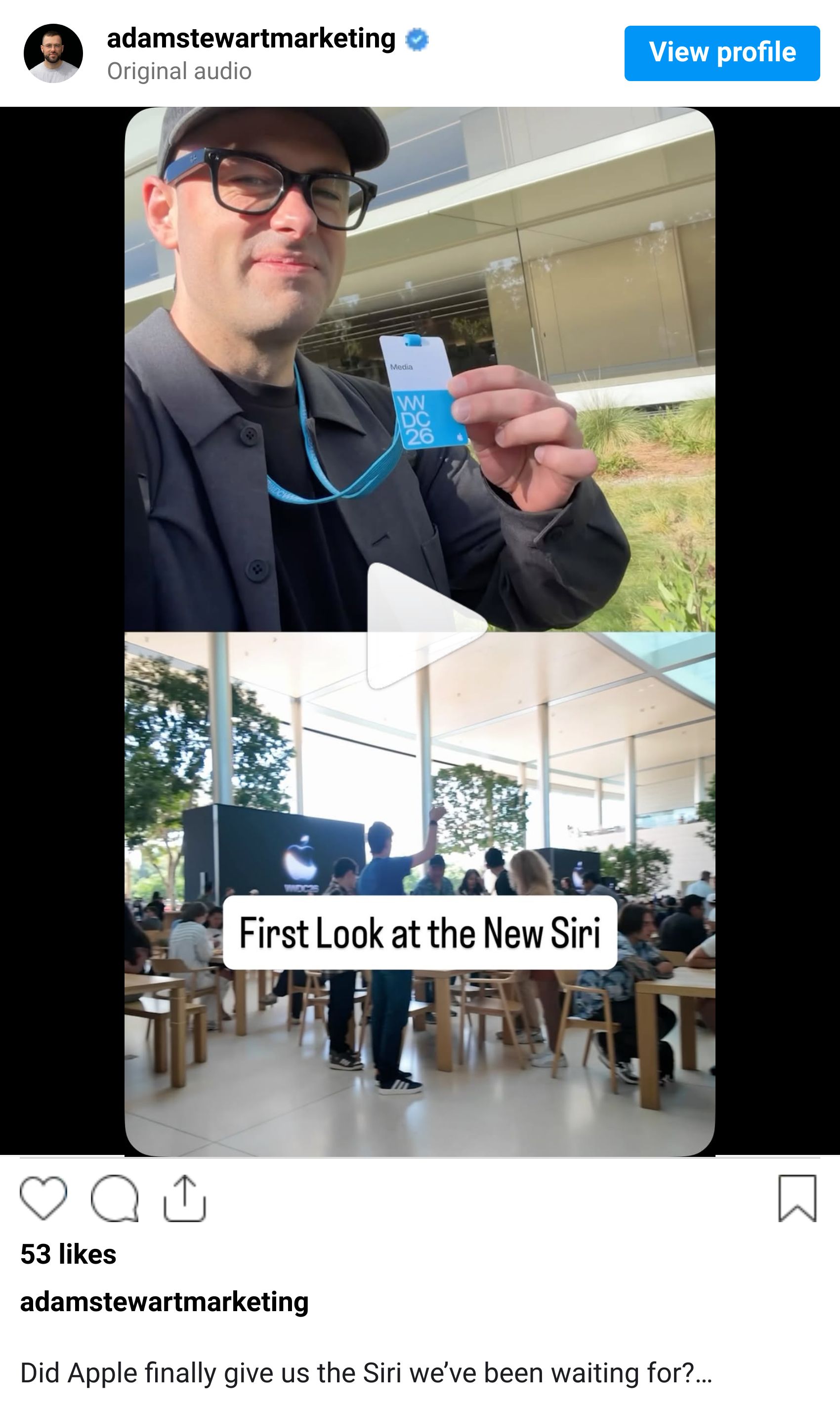
Last week, I had an amazing time at Apple Park for WWDC!
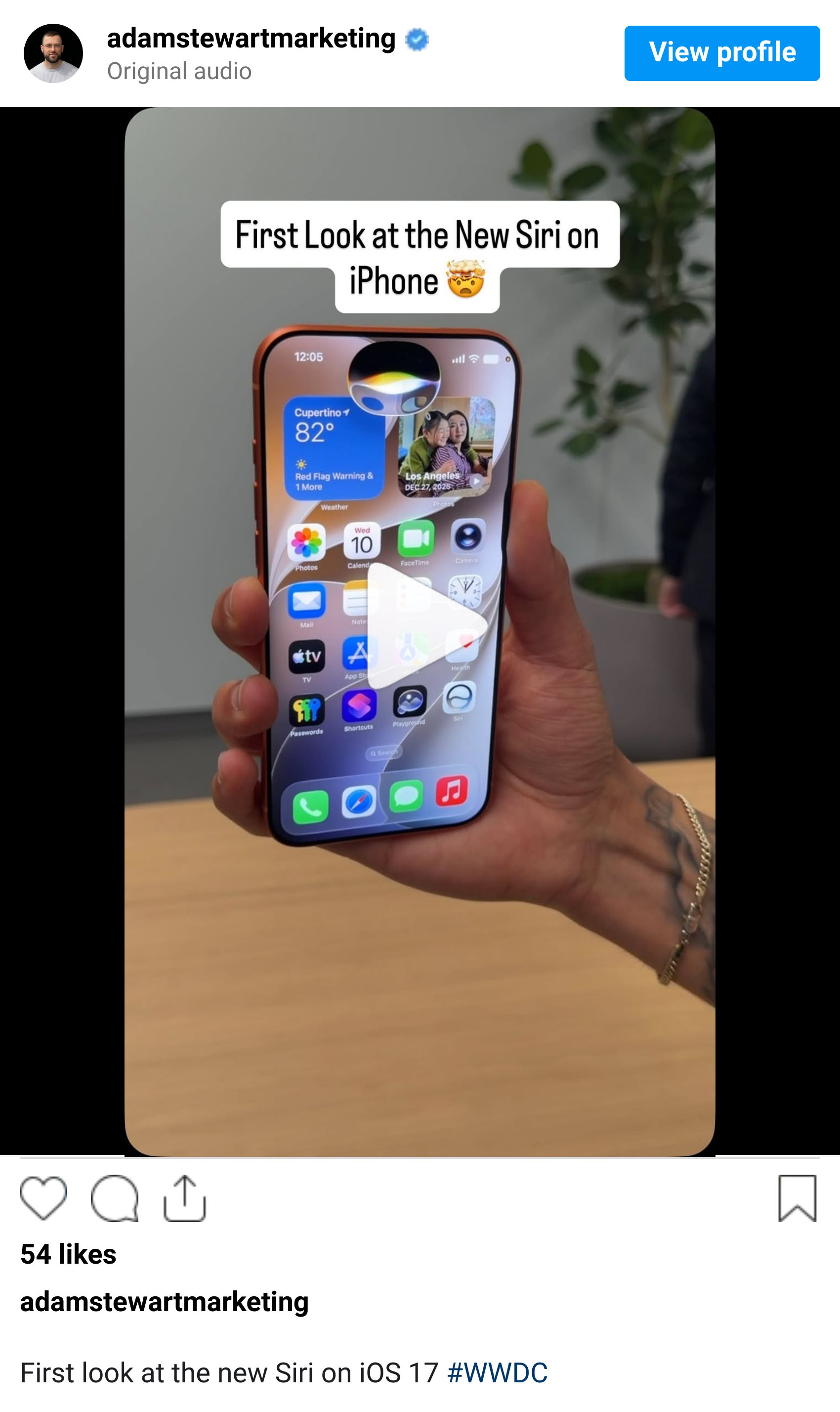
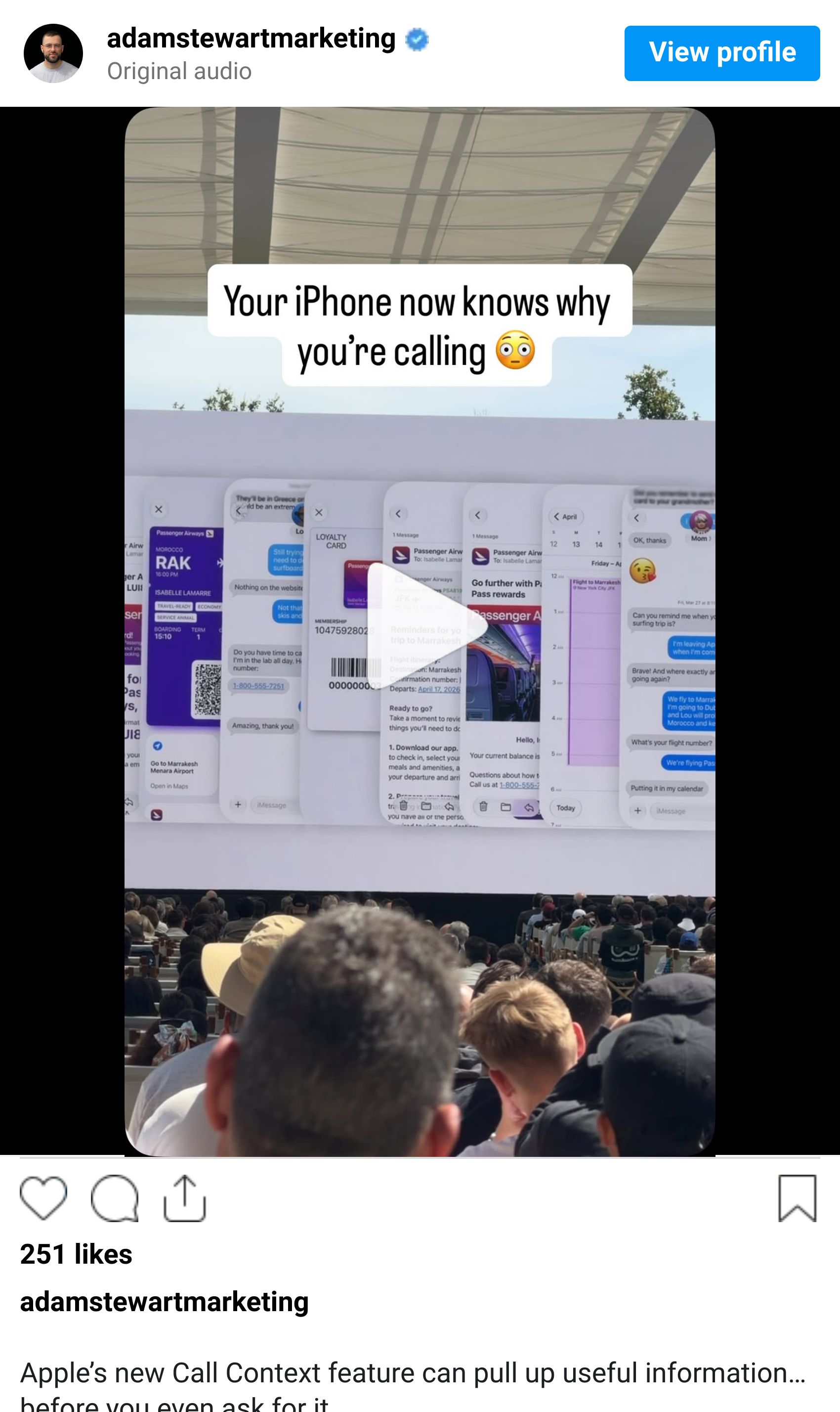
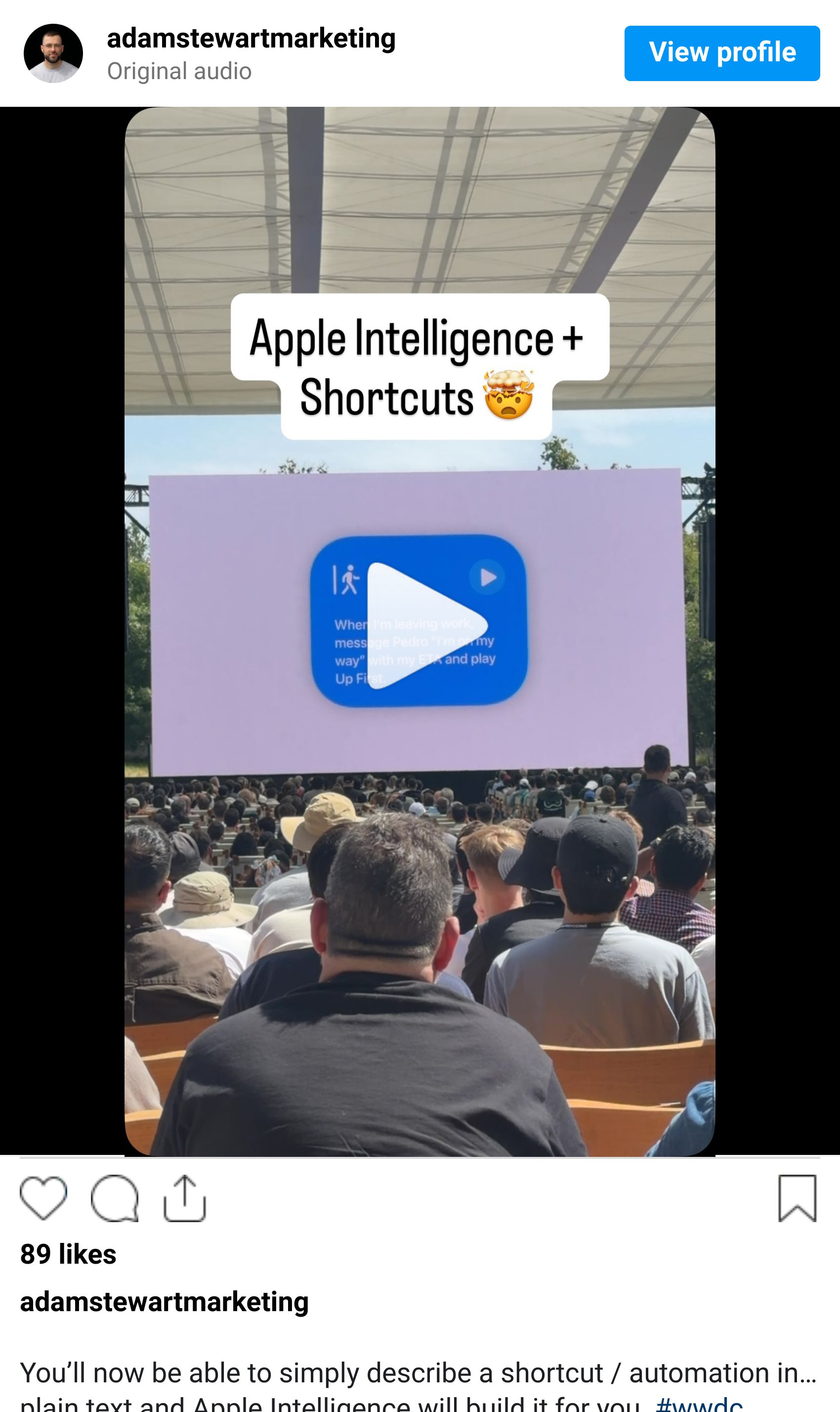
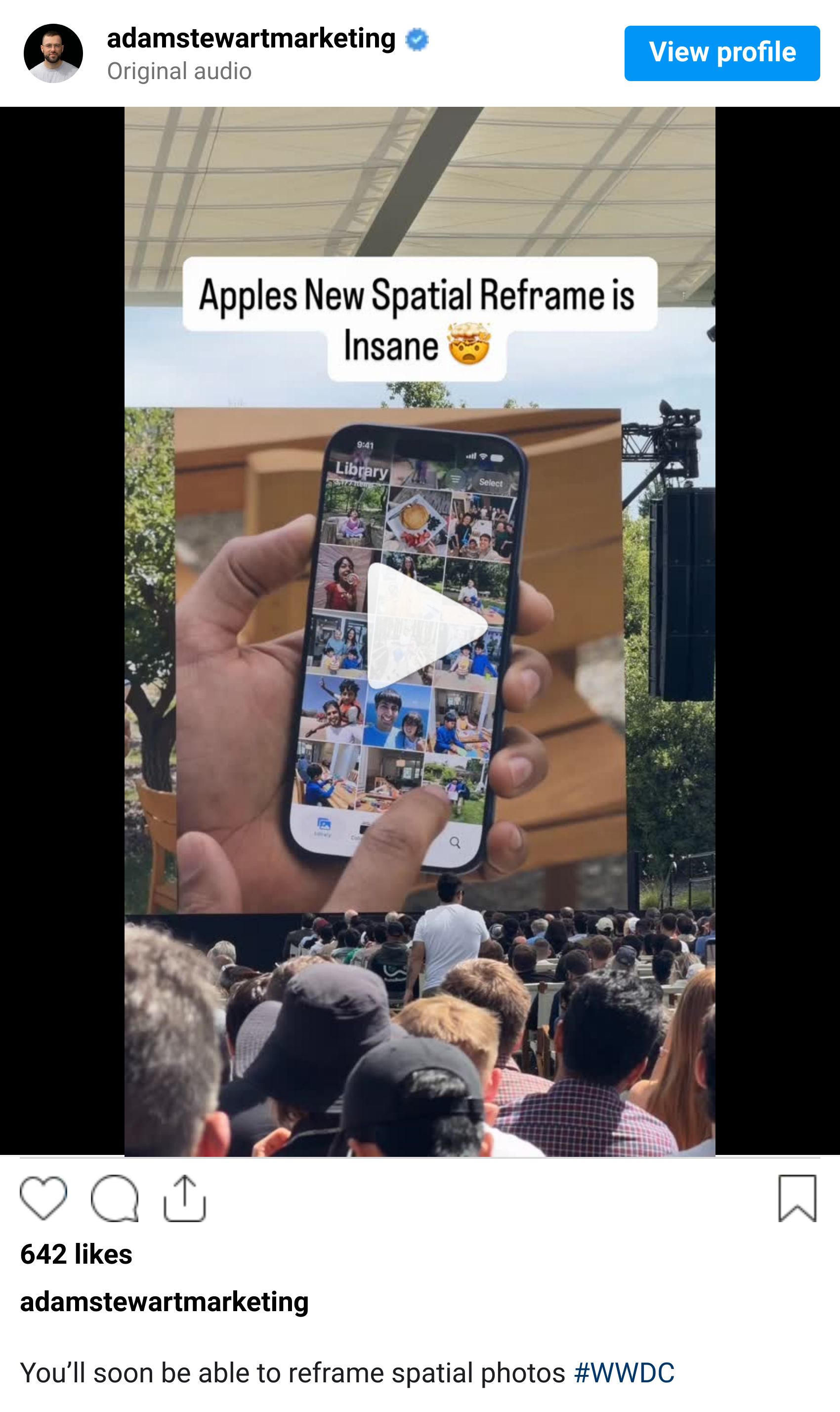
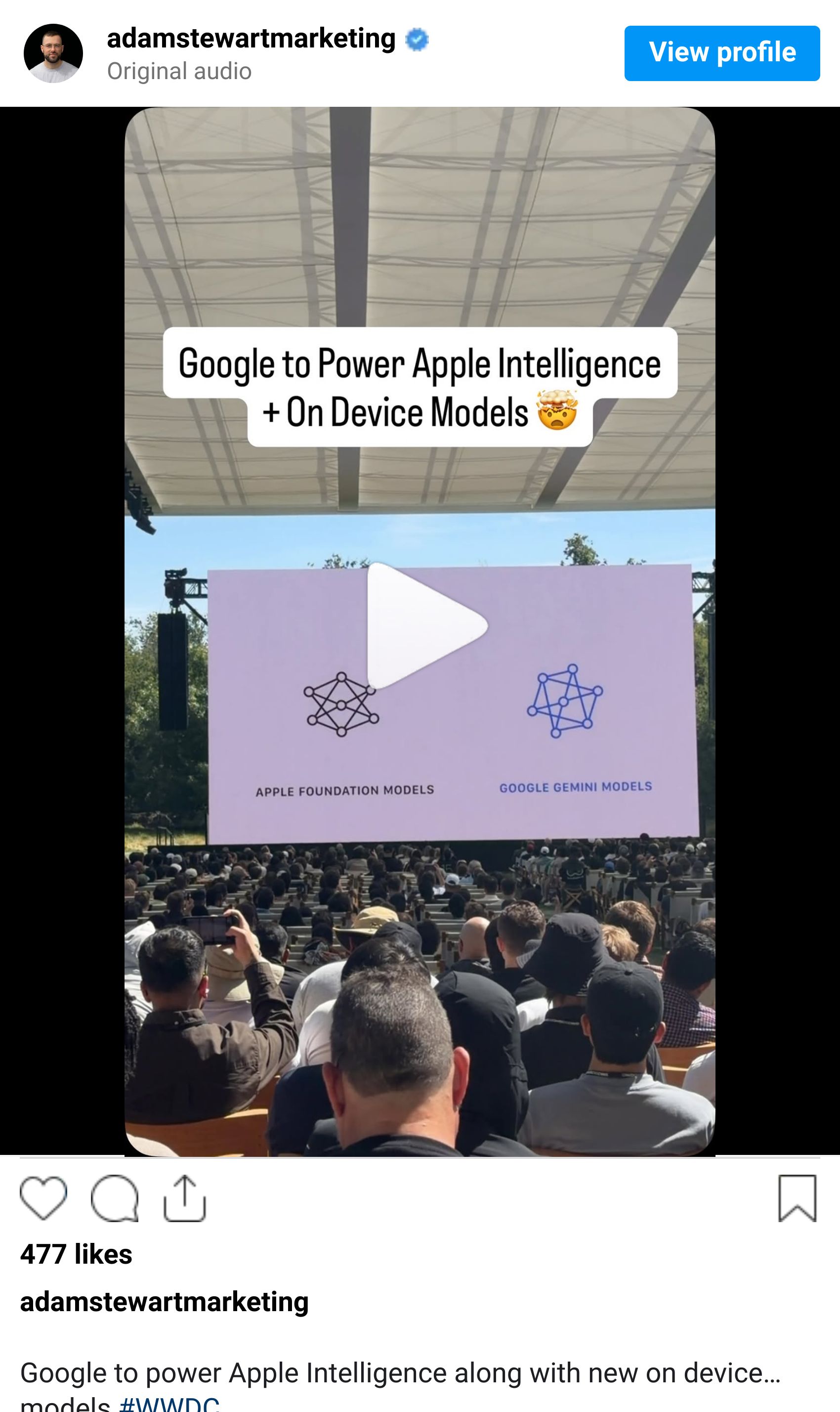
I've been sharing a few videos and behind-the-scenes moments from WWDC on Instagram, so if you'd like to see more of what it was like on the ground, feel free to follow along there (@adamstewartmarketing).
This week, though, the biggest AI story wasn't from Apple.
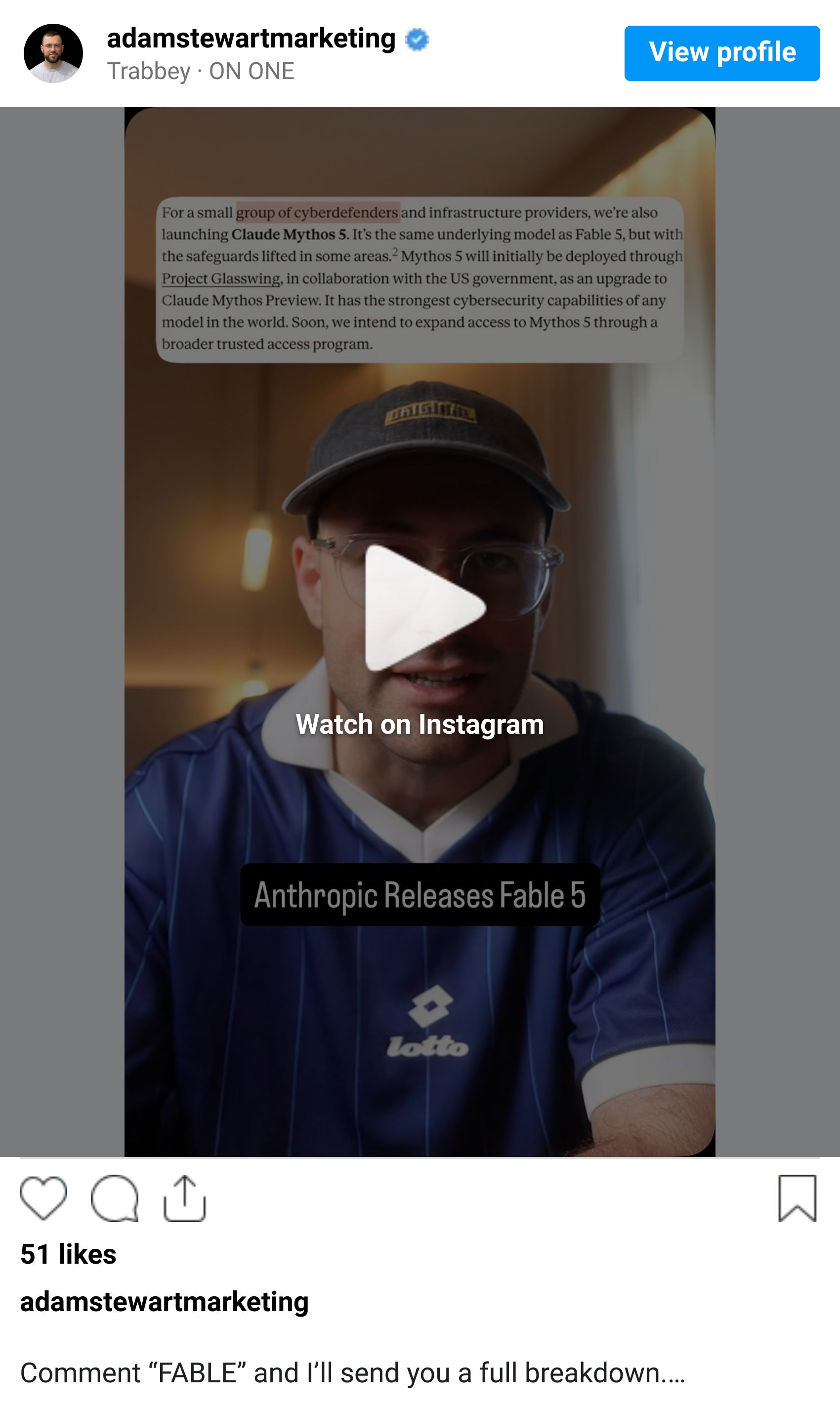
It came from Anthropic. The company launched Fable 5, its most powerful publicly available model to date.
People got access. Started testing it.
And then, almost immediately, it was gone.
Anthropic says it received a directive from the US government requiring it to suspend access to Fable 5 and Mythos 5 due to national security concerns.
Whether this turns out to be a temporary disruption or something bigger, it highlights just how quickly AI is moving beyond a technology conversation and into policy, security, and geopolitics.
ANTHROPIC
We Got Fable 5... And Then It Was Taken Away

Anthropic News: Claude Fable 5 and Claude Mythos 5
Anthropic launched Claude Fable 5 last week, describing it as its most capable publicly available model to date.
The company positioned it as a major step forward for software engineering, research, vision, and knowledge work.
But just days after launch, Anthropic announced it had been directed by the US government to suspend access to both Fable 5 and Mythos 5.
According to Anthropic, the government raised concerns around a potential jailbreak technique that could bypass some of the model's safeguards.
Anthropic disputes the decision.
The company says the vulnerabilities identified were limited in scope, already known, and comparable to capabilities available in other publicly accessible models.
Regardless of where you land on the debate, this feels like an important moment for the AI industry.
For the first time, we're seeing a frontier AI model removed from public access almost immediately after launch due to government intervention.
The AI conversation is no longer just about who has the best model.
It's increasingly becoming a conversation about regulation, safety, national security, and who gets access to the most capable systems.
My guess is this won't be the last time we see governments become directly involved in how advanced AI models are deployed.
NOTEBOOKLM
NotebookLM Is Becoming An AI Analyst

Image: Google Blog
Google just gave NotebookLM one of its biggest upgrades yet.
What's changing?
NotebookLM can now:
Conduct research
Discover sources from the web
Execute code
Analyze large datasets
Create reports
Generate PowerPoints
Export spreadsheets and other files
In other words, it's becoming much more than a note-taking tool.
It now looks a lot closer to having an AI analyst sitting beside you helping gather information, identify patterns, and package findings into something useful.
If you're already using NotebookLM:
Create a new notebook around a project you're working on.
Add documents, PDFs, meeting notes, or research.
Ask NotebookLM to generate a report, presentation, or analysis.
Compare the output against your current workflow.
For many knowledge workers, this could remove hours of manual research and synthesis each week.
OPENAI
OpenAI Is Building AI That Keeps Working After You Leave

Image: Ona.com
OpenAI announced the acquisition of Ona.
On the surface, it looks like a developer-focused acquisition.
But the bigger story is what it enables.
Ona specializes in secure cloud environments that allow AI agents to continue working over long periods of time.
Instead of opening ChatGPT, completing a task, and starting again tomorrow...
AI agents can maintain context, continue projects, and work inside dedicated environments over extended periods.
This is another step toward AI that behaves less like a chatbot and more like a teammate.
Many people still think AI means asking questions.
The companies building the future increasingly think AI means delegating work.
VISA x OpenAI
AI Agents Are Getting Their Own Wallet

One of the most overlooked announcements this week came from Visa.
Visa is now working with AI companies to allow agents to make purchases and complete transactions on behalf of users.
Today, most AI tools can recommend what you should buy. The next version of AI will be able to actually complete the purchase.
Think:
Booking software
Purchasing business tools
Ordering supplies
Managing subscriptions
Handling routine transactions
Of course, safeguards and approval systems will be important.
But this is another signal that AI is moving from advice into action.
The companies that win over the next few years may not be the ones with the smartest models.
They may be the ones that make AI capable of actually getting things done.
GEMINI
Real-Time Translation Is Finally Starting To Feel Natural
Google also announced Gemini 3.5 Live Translate.
Unlike traditional translation tools, it preserves tone, pacing, and natural conversation flow across more than 70 languages.
The result feels much closer to speaking with someone naturally rather than waiting for a translation system to catch up.
For global teams, travel, customer support, and international business, this is one of those features that sounds small until you use it.
Then you wonder how you worked without it.
Watch for rollout inside:
Google Meet
Google Translate
Gemini apps
Gemini APIs
This is one of the clearest examples of AI quietly removing friction from everyday work.
TWEETS OF THE WEEK
MORE AI IN ACTION
DISCOVER THESE AI TOOLS AND APPS
Brand24 - Track your brand mentions across every source that matters for AI tools – and become the brand they recommend.
Accio Work - Automates your business end-to-end — research & analysis, sourcing & negotiation, marketing & sales, operations & CRM — delivering real profit.
GoMarble - The AI Agent for Paid Media & Creative strategy.
NotebookLM - The AI research tool and thinking partner that can analyze your sources, turn complexity into clarity and transform your content.
Google Stitch - Stitch generates UIs for mobile and web applications, making design ideation fast and easy.
Dock - The workspace where AI agents are first-class teammates. Plan, research, decide, and ship with humans and AI on the same surface.
Invoko - an AI desktop helper you can talk to while you work. Bring it beside anything on your screen, ask it questions, or let it handle tasks across your apps.
Zapier - Free 14 Day Trial. Integrate your apps in a few minutes. Quickly connect with over 7,000 apps on Zapier, the world's largest automation platform.
Sonilo - Upload a video, and Sonilo generates a full-length soundtrack that matches its timing, pacing, and emotion. No editing needed.
WizardAI - Superpowered shopping agent.
P.S.
One of the things I enjoy most about AI Systems Lab is seeing how members are applying these tools in the real world.
Last week, Taige walked us through his AI content workflow and showed how he uses AI to analyse high-performing videos, identify recurring patterns, and turn those insights into practical content ideas across different businesses and industries.

If you'd like to see how other business owners and operators are actually using AI beyond the headlines, you're welcome to join us inside AI Systems Lab.
